Our current order processing time is: 2 business days
We sell B2B only. In most states, a signed sales tax exemption form is required to purchase. Our minimum order is $125.

Inspiration & Education
DESIGN GALLERY
If a picture is worth a 1000 words, then this is the most valuable section of our site! Get inspired by beautiful designs!
DESIGN VIDEOS
View our design videos for the latest tips and tricks for the industry.
BLOG
Check out our blog for the latest articles on tips and tricks for the industry.
INSPIRATION & EDUCATION
Ribbon Materials
Ribbon is a decorative product with an almost infinite variety of materials, sizes, styles, and colors. It is classified as a narrow fabric ranging from 1/16" to 12" in width.
Ribbon began when fabrics began. It is among the oldest of decorative materials. Modern ribbon with selvedges (finished edges) began by 1500. In the 1770’s, the Dutch engine loom was developed and six types of ribbon could then be produced. In 1813, picot-edged ribbon (scalloped along the edge) became popular. Ribbon diversified into braids, cords, fringes, silk pictures, and bookmarks.
Three Principal Categories of Manufactured Ribbons
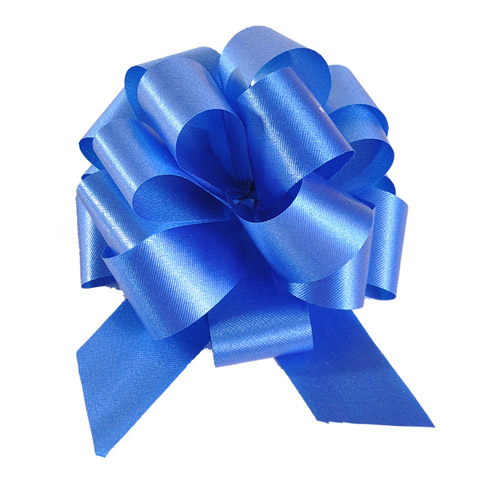
CUT-EDGE
Acetate cut by a hot knife that fuses the edges
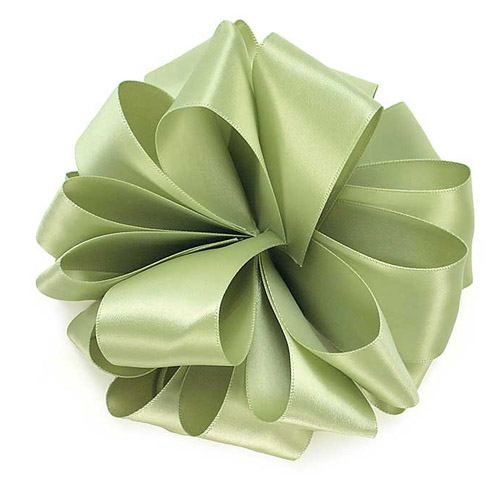
WOVEN-EDGE
Textile industry
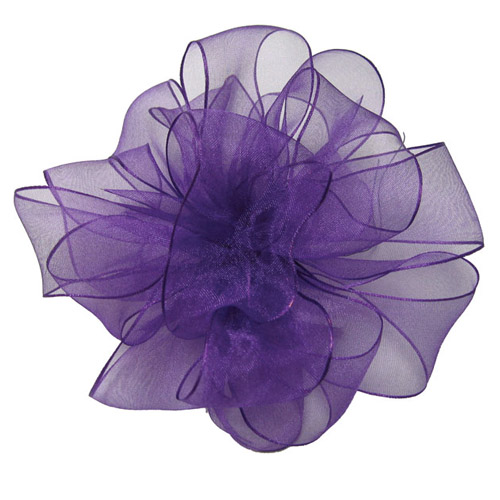
WIRED-EDGE
Most Common Types of Ribbon
Ribbon Textures
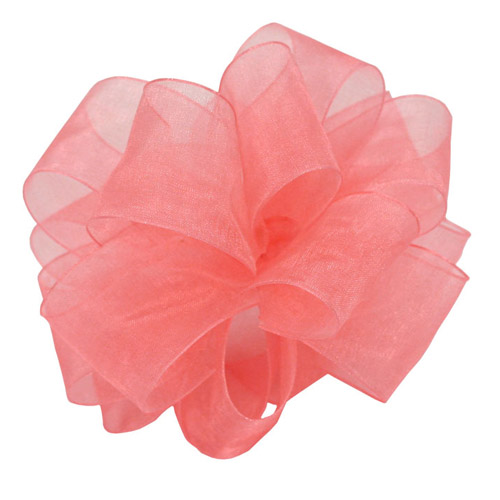
ORGANDIES
Sheer and delicate
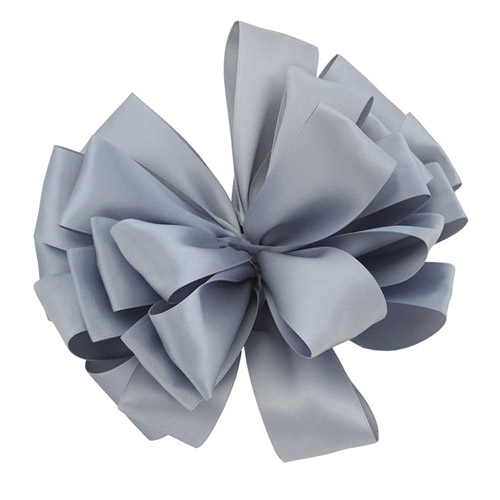
SATIN
Single or double-faced
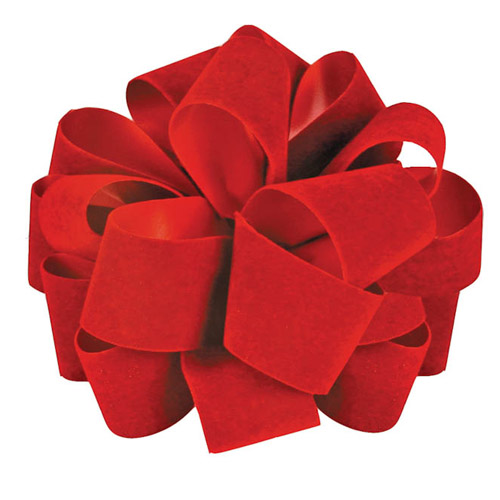
VELVET
Soft pile on one side

GROSGRAIN
Woven blends
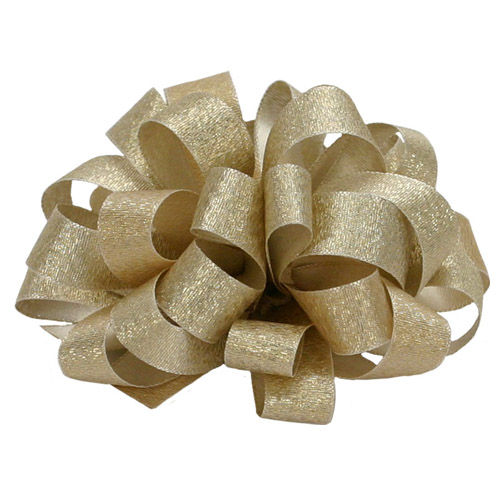
METALLICS
Woven from Lurex or metallic yarns
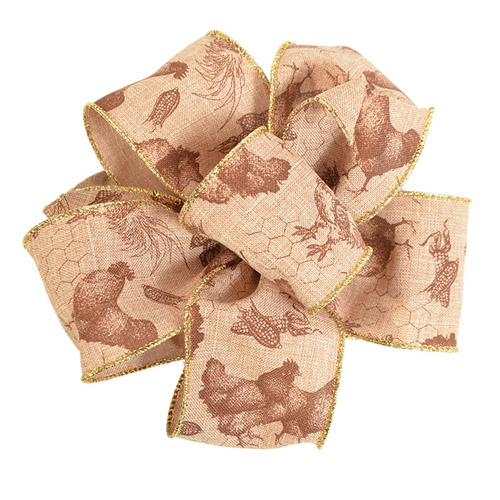
NATURAL FIBERS
Paper, cotton, jute, and linen
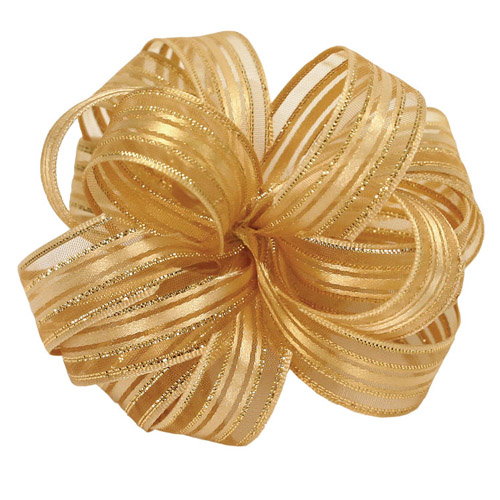
JACQUARDS
Specialized type of ribbon overlapping several textural types
CURLING
Bathed in glue and pressed which gives it its curling property
Ribbon Sizes

Which Ribbon to Use
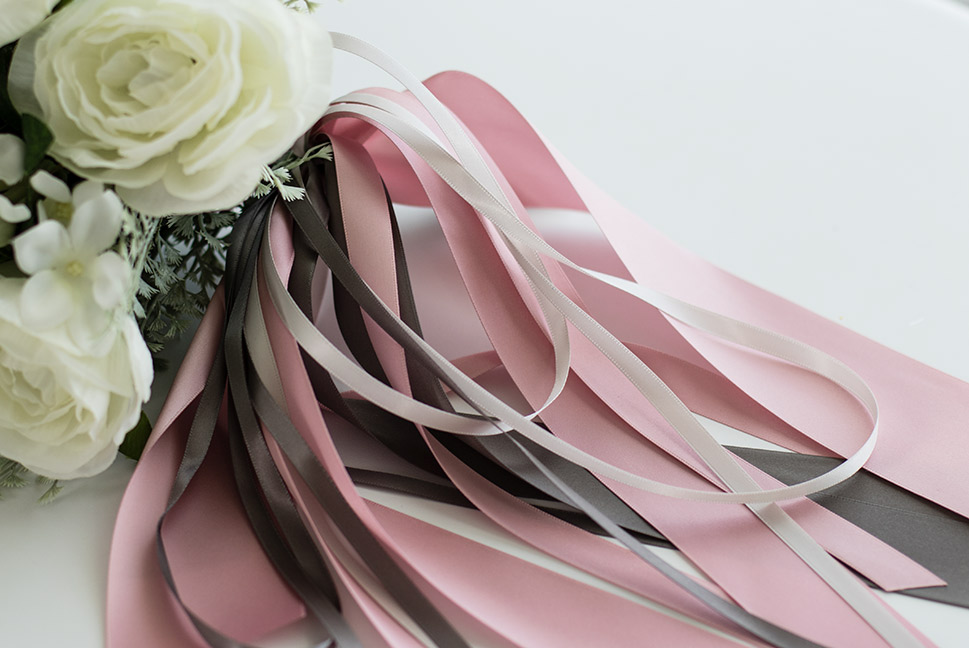
What you are doing with the ribbon will determine which type you use. Some ribbons are more accommodating to creating bows, wrapping around shapes, and using as other forms of decoration. Ribbon is said to have a “good hand” if the material is substantial enough to make a bow that will stand up and look pretty.
The most common uses for ribbon in floral design would be bow-making for arrangements and wreaths and tying ribbon around bouquet handles, containers and bundles. Ribbon can bring designs together through color, texture, and pattern. It adds an extra element that provides a finishing touch to designs.