Our current order processing time is: 1 business day.
We sell B2B only. In most states, a signed sales tax exemption form is required to purchase. Our minimum order is $125.

Inspiration & Education
DESIGN GALLERY
If a picture is worth a 1000 words, then this is the most valuable section of our site! Get inspired by beautiful designs!
DESIGN VIDEOS
View our design videos for the latest tips and tricks for the industry.
BLOG
Check out our blog for the latest articles on tips and tricks for the industry.
Guide to Shopping for Faux Foliage
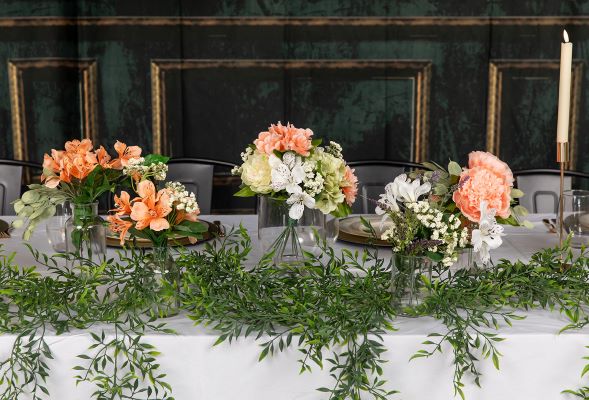
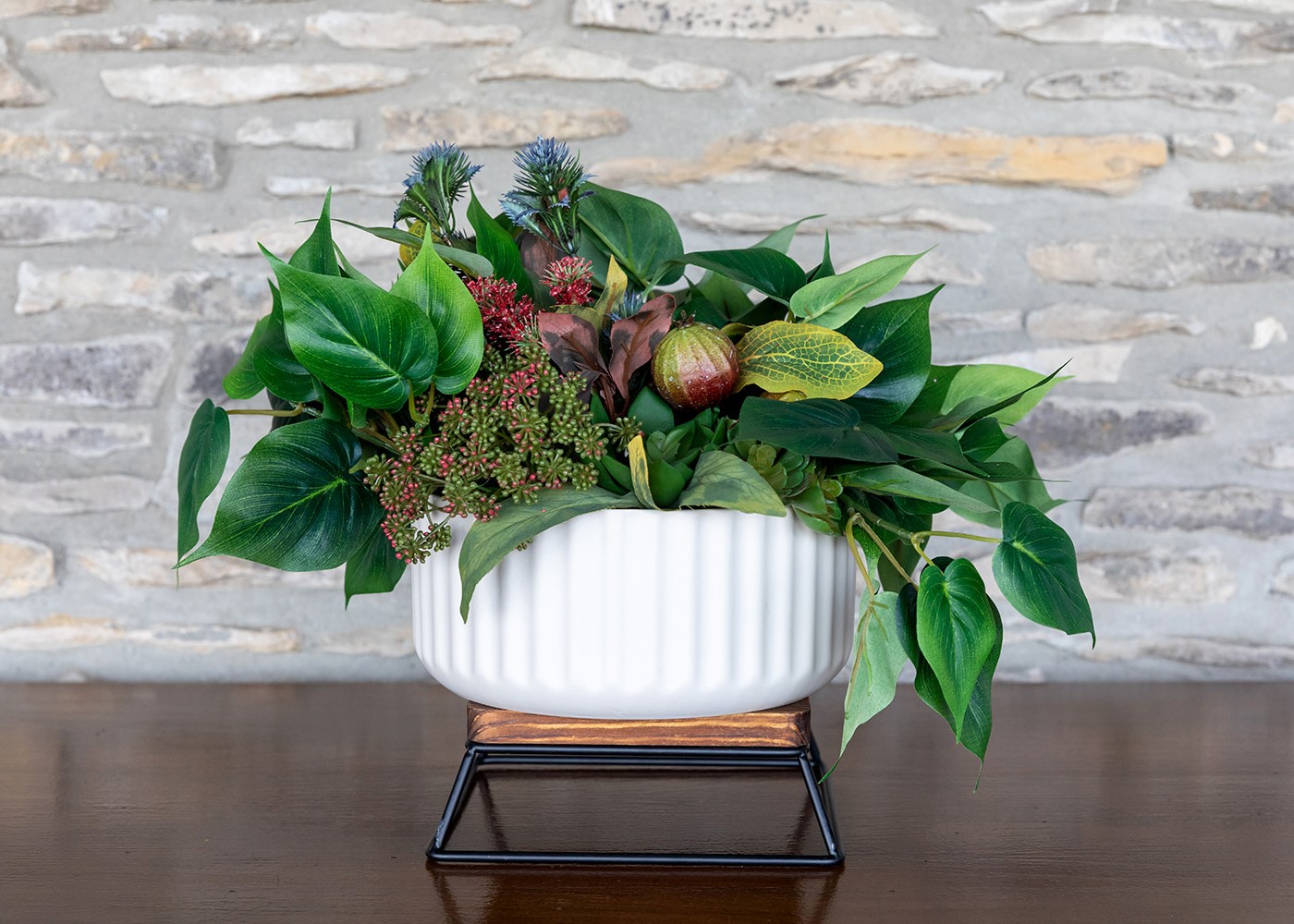
David Botchick, President of Pioneer, came to our marketing department and said, “We need to teach our customers about what makes good foliage.” Why? Foliage is a special focus of his because when he started Pioneer, he chose to focus on green plants. To do that successfully, those green plants had to be good quality. Later, as he added flowers to the line, he focused on the foliage that was accenting the flower stems and bushes. 48 years later, we still focus on offering quality greenery, now featuring hundreds of varieties and configurations of foliage sprays, stems, wreaths, garlands, and even cascading garlands (designed with extra foliage tendrils for depth and body when hung).
Having developed and purchased thousands of different types of greenery and foliage over the years, we think Dave can teach us a thing or two about good foliage. Join us as he walks us thru what to look for when shopping for foliage:
Reasonably Realistic: You should be able to replace fresh greens with artificial greenery. Therefore, our greenery is made as botanically accurate as possible.
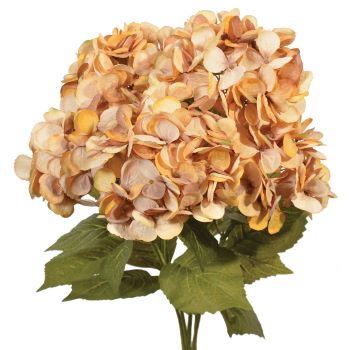
The foliage on a flower stem or bush should match the flower. It should not be a generic leaf just to add greenery. Roses need pointed leaves; hydrangeas need large, serrated, spade-shaped leaves. If the foliage is not right, it doesn't work. Florists (and even consumers) will notice something is “off.”
While each leaf may not be entirely botanically accurate, it should be close. If all flower bushes at a company have the same foliage, the company didn't pay attention to critical details. This can reflect their overall product development.
With every flower bush we offer, we always consider the foliage—it's not just about the blooms.
Color: Ask yourself not only, "Is the color good?" but also, "Is it detailed?" Lower quality foliage may be saturated with one green dye. Higher quality leaves will feature various shades to create depth along with visible veining lines. Features important to lifelike variety, such as a brown tip on hydrangea leaves, should also be reflected in the faux version.
Additionally, does the shade of green match the flower's season? If it's a spring flower, are the leaves lighter green? If it's a rich fall-colored flower, does the foliage indicate autumn as well? The full color story is important.
Real Touch Materials: You or your clients might say, "I don't want anything plastic." But today, materials look so realistic that plastic can appear more realistic than fabric! Real touch materials can look and feel thicker and fleshier, like real leaves, especially on succulents. If the material will be frequently touched, like in a bouquet, the feel of the foliage is important.
Construction: Lifelike flowers and foliage are futile if the stem doesn't support the realistic look. Years ago, the best stems were hand-wrapped with floral tape around wire or plastic to make them more realistic. Today, the most realistic stems are plastic with texture. The more exclusive, premium items have wire inside.
Can you imagine us handing you a stem? What would you do with it? The first thing you'd do is start bending it and working it through your fingers. Can it be bent? Does it hold its position? What about the leaflets? Can they slide up and down the stem? We go through that same process when testing foliage and florals. The item should feel sturdy for your design and not make you worry about its durability.
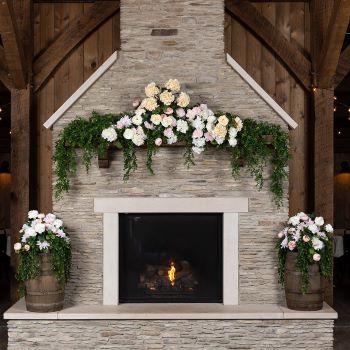
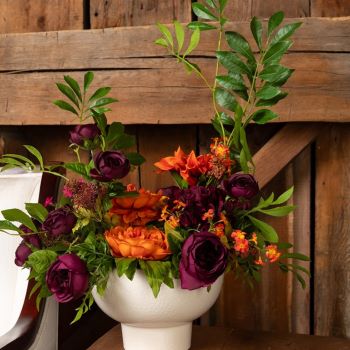
Even the Underside is Important: A key attribute that sets a product designed for professional use apart from a product designed for mass-market use is 360-degree attention to detail. Some varieties demand that the color and texture be printed on both sides of the leaves. Floral designs often have materials facing multiple directions, and finished designs are often round, not flat against a surface. That's why we ensure our foliage looks good from both sides.
Pioneer's position on foliage has never wavered. We've come to know the ins and outs of materials, features, and benefits. Today, artificial plants come in an astonishing variety, replicating everything from flowers, wreaths, greenery, and more. Advances in fabric technology have enabled the creation of artificials using polyester, velvet, sateen, and other high-quality materials that convincingly mimic the texture and appearance of natural leaves and petals.
Get to know our greenery selection better and see how we've applied these details to flower bushes too. Shop by greenery type at https://www.pioneerwholesaleco.com/artificial-greenery/shop-by-greenery-type.
A collaboration between writer Laura Vitale and Sarah Botchick of Pioneer.