Our current order processing time is: 1 business day.
We sell B2B only. In most states, a signed sales tax exemption form is required to purchase. Our minimum order is $125.

Inspiration & Education
DESIGN GALLERY
If a picture is worth a 1000 words, then this is the most valuable section of our site! Get inspired by beautiful designs!
DESIGN VIDEOS
View our design videos for the latest tips and tricks for the industry.
BLOG
Check out our blog for the latest articles on tips and tricks for the industry.
Wellness-Focused Florals: Good for Business
To today’s consumer, wellness is no longer an aspiration — it’s an expectation. People of all ages and genders are increasingly prioritizing self-care and mental well-being, recognizing both as essential components of a healthier lifestyle. In fact, Google searches for self-care have risen more than 330% over the past five years. Floristry, once considered purely decorative, has quietly re-emerged as a frontline wellness practice.
For florists, this shift means wellness-focused products can be positioned not just as beautiful, but as essential self-care tools — appealing to a broader, more wellness-conscious customer base.
Understanding how arrangements and color choices influence mood — and being able to speak credibly about those benefits — isn’t just good storytelling; it’s smart business. Wellness-focused floral design gives florists a powerful way to connect with customers who buy flowers for themselves, as well as those seeking thoughtful gifts that genuinely lift the spirit.
According to a 2023 houseplant purchasing study by the International Association of Horticulture Producers and FloraCulture International, self-purchasing is no longer a fringe behavior:
- 75% of U.S. houseplant buyers now purchase plants for themselves — up from just 12% five years ago.
- 75% say they’re likely to give a houseplant as a “get well” gift, also up from 12%.
- Over 70% agree that houseplants make them feel happier.
These shifts show that customers increasingly view plants and flowers not just as décor, but as active tools for mood enhancement and emotional care.
The floral industry has been discussing the wellness benefits of flowers and plants for decades. What’s changed is the cultural context: in a world marked by heightened stress, the idea of nature as therapy has evolved from a “nice-to-have” into a mainstream priority. Customers are now more aware of — and open to — buying items specifically for their emotional impact.
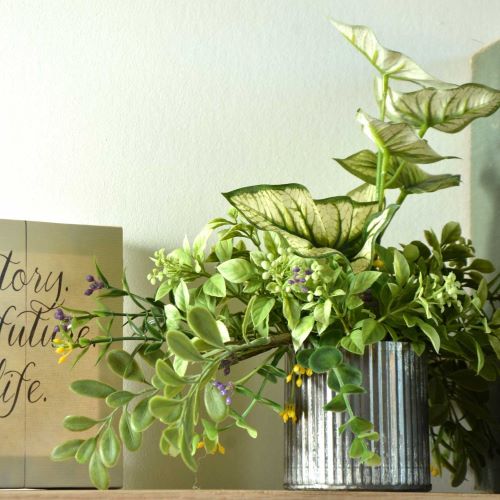
Permanent botanical arrangements offer many of the same mood-lifting visual and environmental benefits as fresh florals, making them a year-round wellness asset that requires zero maintenance.
New research* published this past year found that simply viewing natural elements — as opposed to man-made ones — improves mood and reduces anxiety. This suggests that incorporating greenery into one’s daily environment can have a measurable positive effect on mental health. The singular sense of sight plays a key role in that benefit.
Color, Form, And Materials: Therapeutic Design Choices
To help you approach wellness-focused design, consider these easy formulas:
- Calming blues and greens
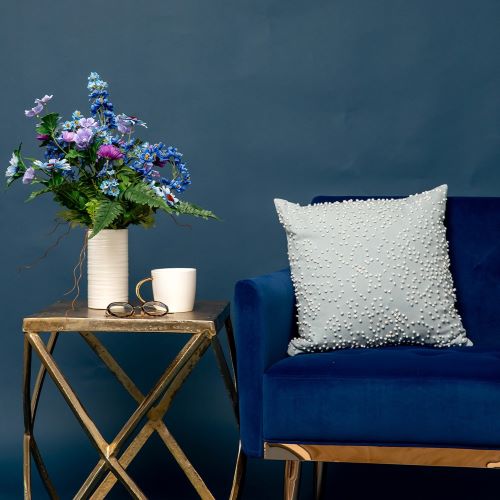
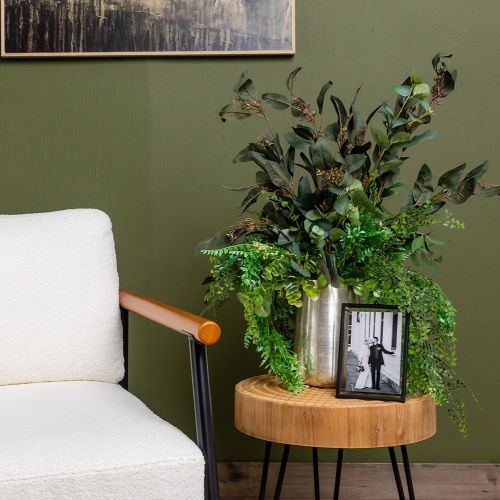
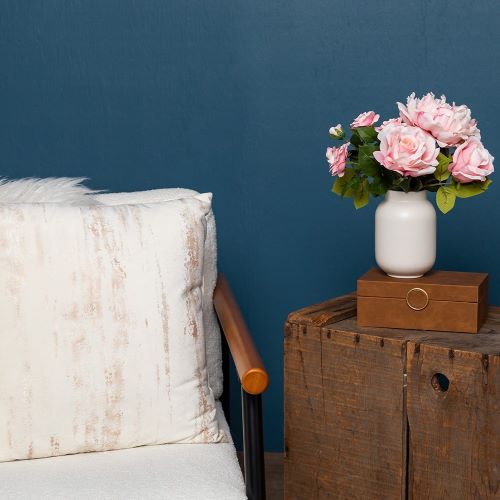
Cool hues like soft blues and varied greens tend to evoke calm. Because blue is rare in natural blooms, designers often turn to artificial floral materials to create that tranquil effect. - Soft pastels and monochromatic palettes for stress relief
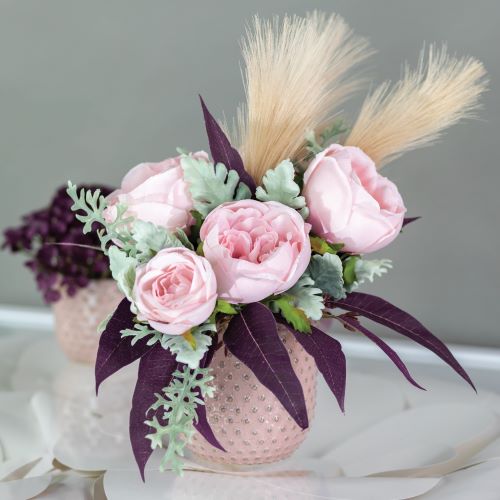
Monochromatic palettes in gentle tones — blush, lilac, sage — reduce visual “noise,” allowing the mind to rest. These palettes work especially well in bedside or office vases designed to soothe. - Textural balance and “slow” movement
Combining airy elements (e.g., seeded eucalyptus, pampas grass) with more grounded blooms encourages visual rest and physical relaxation. Arrangements with gentle directional flow — rather than rigid, spiky forms — are generally perceived as more peaceful.
Messaging That Resonates: Framing Flowers as Self-Care
Position your designs not simply by their floral variety and color, but the wellness benefits they deliver. Use language that emphasizes intentionality and outcomes: “designed to soothe,” “created for calm moments,” or “long-lasting green presence to lift daily mood.”
When promoting your designs, go beyond floral variety and color. Focus on the wellness benefits they offer. Use language that highlights intentionality and emotional outcomes:
“Designed to soothe,” “Created for calm moments,” or “Long-lasting green presence to lift daily mood” are all examples of messaging that meets this moment.
You might also consider naming arrangements on your website or social platforms with wellness-oriented language, like:
• Calm Corner — Monochrome soft blues and greens in a low, wide vase for bedside or reading nook
• Mindful Greens — A trio of faux plants in coordinated pots for quiet moments
• Office Zen — Monthly desk plant delivery designed to reduce workplace stress
• Forever Fresh — Premium permanent botanicals in a soothing pastel palette, offering year-round calm
Wellness-focused floral design is more than a trend — it’s a response to how people now shop for emotional value. For floral suppliers and retailers, embracing therapeutic color palettes, mood-boosting plant offerings, and premium permanent botanicals isn’t just timely — it’s strategic. These choices meet customers where they are and help foster deeper, recurring relationships rooted in the language of care.
A collaboration between writer Laura Vitale and Sarah Botchick of Pioneer.