Our current order processing time is: 1 business day.
We sell B2B only. In most states, a signed sales tax exemption form is required to purchase. Our minimum order is $125.

Inspiration & Education
DESIGN GALLERY
If a picture is worth a 1000 words, then this is the most valuable section of our site! Get inspired by beautiful designs!
DESIGN VIDEOS
View our design videos for the latest tips and tricks for the industry.
BLOG
Check out our blog for the latest articles on tips and tricks for the industry.
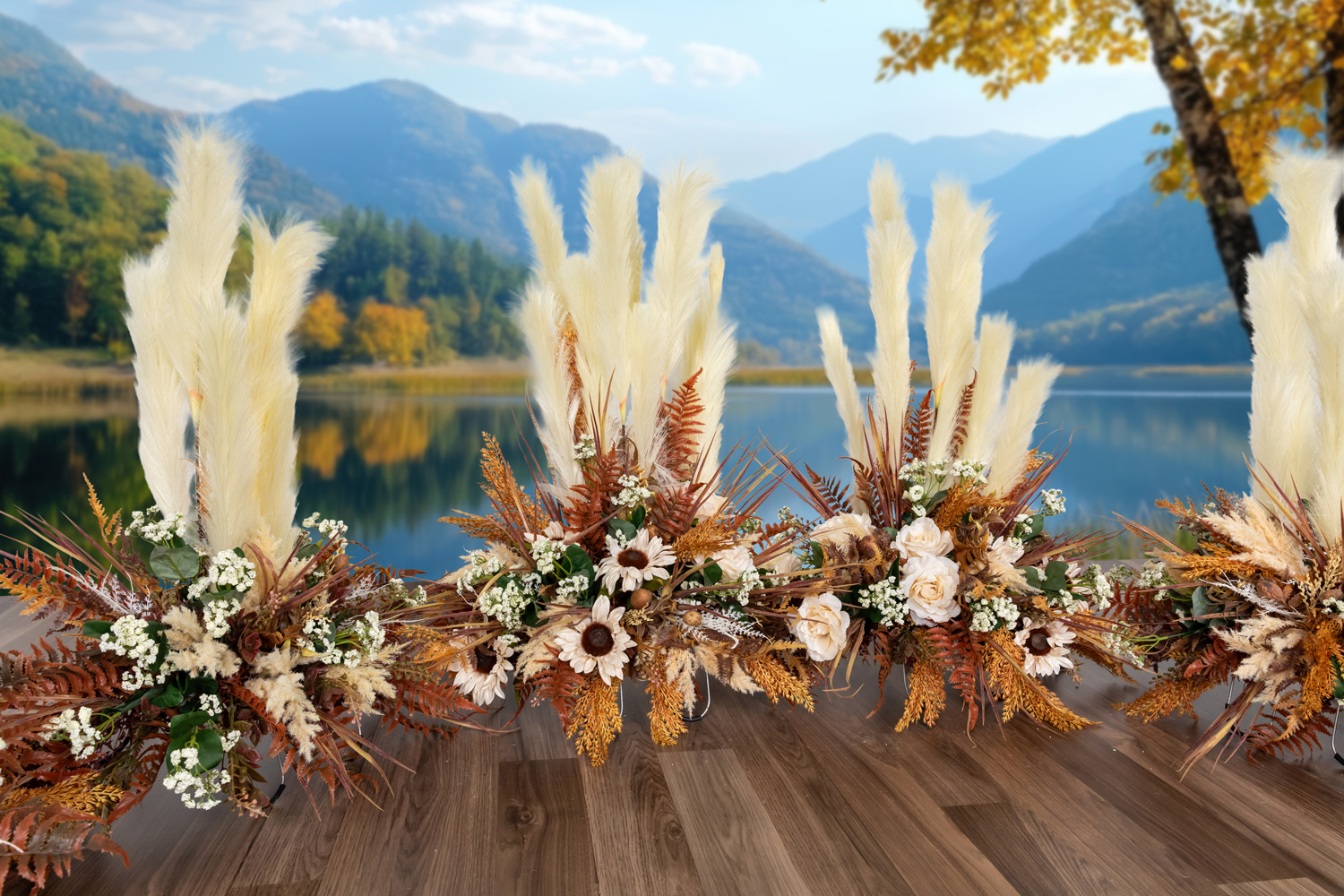
Grounded Floral Installations: How to Sell, Design, and Transport
Today’s clients want immersive, transformative experiences—and floral design plays a major role in shaping those environments. Whether you’re designing for a wedding, corporate event, or themed party, one leading trend continues to dominate: creating the feeling of a natural, thriving oasis. From enchanted forests to coastal escapes, there’s a universal desire to feel connected to nature and the emotions it evokes.
What are grounded floral installations-and why use them
Grounded installations are floral structures that begin at floor level and appear to “grow” organically from the ground. They’re ideal for indoor venues and can enhance outdoor settings—especially when the natural environment isn’t directly accessible. For example, if your client is getting married on a porch or pavilion, a grounded arch can help visually connect the event to the surrounding landscape.
The benefit for designers is that grounded installations create atmosphere without the need for complex overhead suspension or wall mounting. They allow for self-sufficient design and setup. Rather than placing florals on arbors or ceilings, more designers are turning to low-lying, garden-style installations as a stable, practical, and visually impactful alternative.
Selling the grounded concept
Clients may not be familiar with the term “grounded installation” but with a few key points, they will be on board.
- Frame the Focal Point: Explain to clients that a grounded installation defines where the eye goes and where the guests gather. It will appear in nearly every professional photo.
Designers can also use grounded installations to guide guest movement. Instead of straight paths, winding floral walkways encourage guests to slow down and engage with their surroundings—perfect for entrances, runways, or ceremony aisles.
- Offer Options: Propose two design levels—standard and elevated. Any more than that can be overwhelming.
- Maximize Impact: The venue is an investment and capitalizing on this with florals that highlight its beauty are a worthwhile investment. Designers can also recommend matching the bouquets and centerpieces to create a seamless, cohesive look.
- Tailor to Any Style: Like traditional floral arrangements, grounded floral installations can be adapted to any event aesthetic using different blooms.
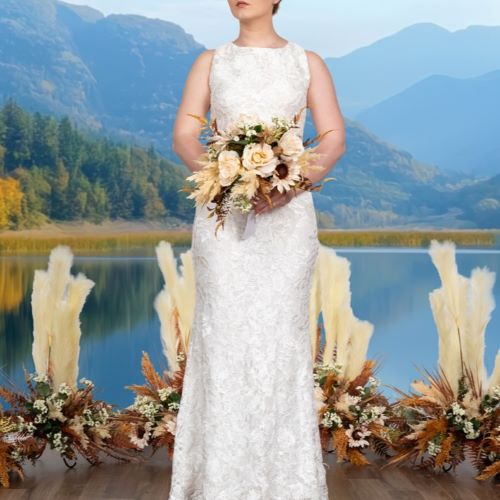
- Add Value: Grounded installations are budget-friendly alternatives to large ceremony structures. They can be repurposed after the ceremony—such as framing the dance floor or cake display. Read more on repurposing designs here.
How to design a grounded installation
Grounded installs should feel like they’re growing from the floor, with no visible mechanics. Materials must last the duration of the event, which makes lifelike artificial greenery a smart choice—they're foam-free, reusable, and easier to transport than live flowers and water sources.
Material considerations:
- Prioritize greenery with strong, full stems that are at least 24–30" long to maintain structure and achieve scale.
- Choose artificial greenery garlands to create a beautiful base.
Assembly instructions:
Build in sections: Create manageable components that one person can carry and that fit into your transport vehicle.
Start with structure: A faux garland to defines your shape. This organic-looking material is safe for flooring and eliminates the need to hide wire, foam. A weighted crate or container filled with chicken wire can also provide the base to green into.
Add depth: Fill in the structure with branches, making sure to cover all mechanics fully and create a natural look.
Add texture: Introduce additional foliage or floral varieties for interest.
Incorporate movement: Trail vines or hanging greens for softness and movement.
Check from all angles: Walk around the piece to ensure full coverage and no visible base.
How to transport & repurpose
One major advantage of a sectioned ground design is its portability. Load in your vehicle, move to your location and it’s set.
Once the ceremony ends, grounded installations can be easily moved to frame the dance floor, bar, or reception entrance.
Grounded installations are also extremely practical for outdoor settings. Planning a ceremony with a mountain, ocean, or desert view? A low floral crescent won’t obstruct your backdrop—in fact, it will enhance it. These designs also ensure no guest’s view is blocked by a vertical structure.
A final note on grounded installations
Grounded floral installations are not just a trend—they’re a strategic, flexible, and beautiful approach to modern event design. From easier transport to reusability and visual impact, they’re a win for designers, clients, and guests alike.
A collaboration between writer Laura Vitale and Sarah Botchick of Pioneer.


Related Products